
Vol. 1 No. 2 - 🧬 Things you should know about biomarker testing
Brought to you by


De Vera Lab Members: Dwayne Tucker, Vicki Cheng, Megan Thomas, Dr. Mary De Vera, Vienna Cheng, and Preet Kang
Dear Thriver,
I just want to say a heartfelt thank you for all the kind messages and support after we launched the Colorectal Cancer Research Digest last week on May 22nd, 2025. It really means a lot. I am excited to keep sharing updates, insights, and progress in our research. I hope this newsletter helps us stay connected and informed as we work together to better understand and fight colorectal cancer through research.
Sincerely,




🧬 Things you should know about biomarker testing
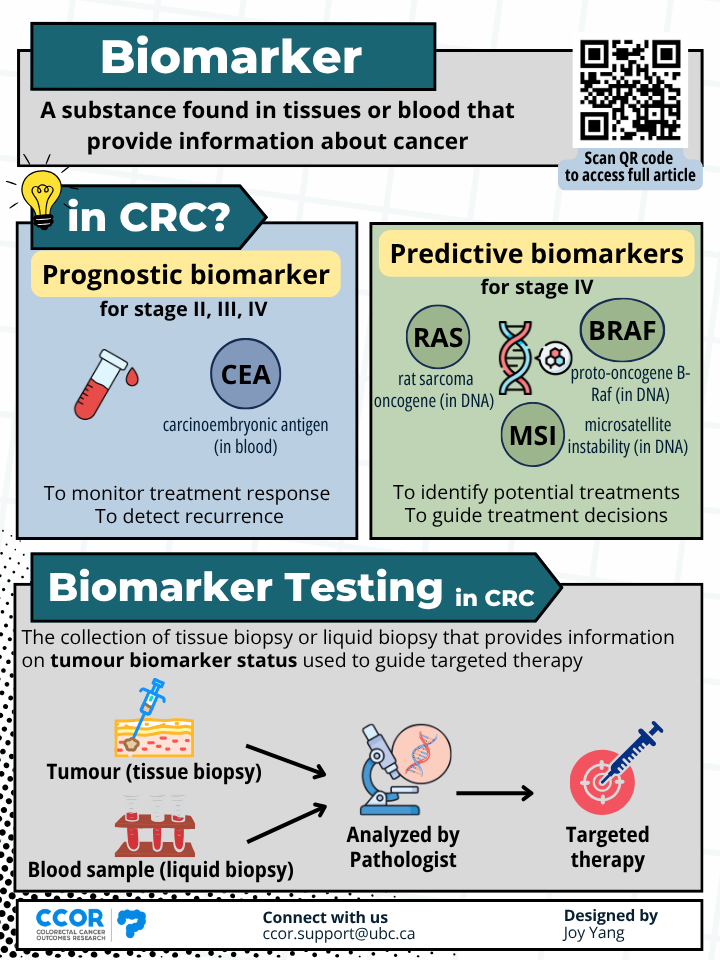
🍽️ The digest: our research on biomarker testing
Year published: 2024
Why we did the research: In June 2023, I had the opportunity to be part of the the Colorectal Cancer Resource & Action Network’s (CCRAN) 1st Biomarkers Conference. I was struck by knowledge gaps about biomarker testing – including cancer patients being unfamiliar with the term “biomarker” or not knowing aware of their tumour’s biomarker status. This opened the opportunity to collaborate with colleagues at CCRAN to better understand these knowledge gaps in hopes of addressing them.
How we did the research: We invited individuals diagnosed with colorectal cancer in the past 5 years to complete a survey. Some participants were also asked to take part in one-on-one follow-up interviews.
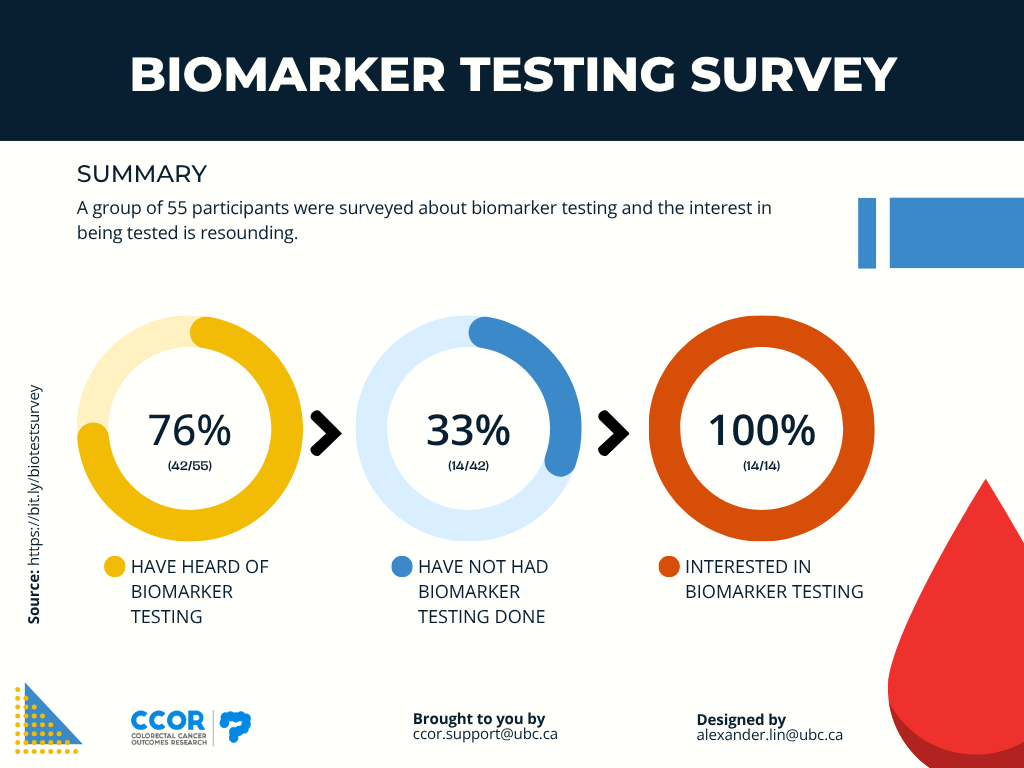
From the interviews we found that:
1. Biomarker Testing Brings Peace of Mind
Many participants who received biomarker testing told us it gave them more than just medical answers — it gave them relief. Even when results didn’t change their treatment plan, just knowing they had explored every option brought comfort.
2. There’s Still a Lot of Confusion
Even participants who had heard of biomarker testing admitted they didn’t fully understand it. Some said they “knew nothing” or “didn’t know much” despite having had the test. Most relied on their oncologists for information, but many also turned to cancer organizations to help fill in the gaps.
3. Access Isn’t Always Easy
Some participants had to push to get biomarker testing — one even paid out of pocket after being denied by their cancer center. Others said they weren’t offered the test at all. For those who did get tested, the reports were often overwhelming or too complex to understand.
4. Patients Have Ideas for Change
Participants wanted clear, simple information — think pamphlets, short videos, and easy-to-use websites. They also suggested making test results easier to read, with visual aids or tools that explain what the biomarker testing results mean and how they relate to treatment options.
Why this research matters
This is the first study to explore the experiences of colorectal cancer patients with biomarker testing—not just in Canada, but globally. By combining survey data and interviews, we uncovered both how patients perceive biomarker testing and the barriers they face accessing it.
Most patients found biomarker testing useful, but many struggled to understand their results or weren’t offered biomarker testing at all. Interviews revealed the emotional, physical, and practical impacts of biomarker testing—along with clear suggestions for improving communication, education, and access.
By centering the patient voice, our study offers a roadmap for making biomarker testing more accessible, understandable, and equitable—so more CRC patients can benefit from these advances in precision cancer care.

🎁 Helpful resources about biomarkers

Now in its 3rd year, this is a free, virtual conference that brings together patients, caregivers, healthcare professionals, and experts to dive deeper into the promise and challenges of biomarker testing in cancer care.
My Colorectal Cancer Consultant is a free online tool developed by CCRAN that helps patients with stage 4 colorectal cancer better understand possible treatments. Just answer a few questions using your pathology report, and you’ll receive a personalized summary to discuss with your oncologist. Want to learn more? Here is the link to CCRAN’s My Colorectal Cancer Consultant.

🏆Award winning research
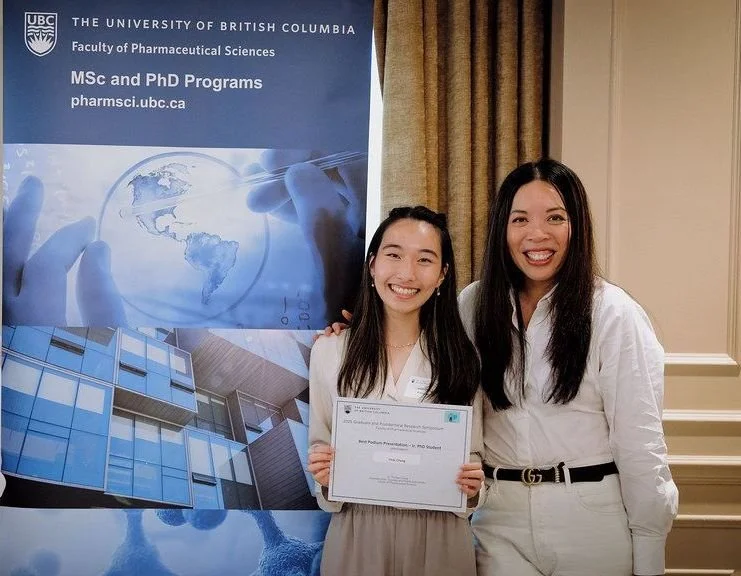
Winner of the Best Podium Presenter, Vicki Cheng (PharmD, MSc), a 2nd-year PhD student with Dr. Mary De Vera.
We’re thrilled to share that Vicki Cheng (PharmD, MSc), a second-year PhD student with Dr. Mary De Vera, was recently named Best Podium Presenter among junior PhD students at UBC Pharmaceutical Sciences’ annual Graduate and Postdoctoral Research Symposium!
Vicki wowed the audience with her research exploring how antidepressant use may be associated with colorectal cancer. It’s exciting work that brings together mental health and cancer research—two areas that affect so many lives—and it shows just how innovative and meaningful colorectal cancer research can be. We’re proud to celebrate Vicki’s achievement and the continuous impact of colorectal cancer research! To connect with directly Vicki, check out her LinkedIn profile.

That's it for today!
👋 Before you go, we'd love to know what you thought of today's newsletter to help us improve the Digest experience for you.
Hit reply to let us know. Was it too hard to follow? Too long, didn't read it all? Leave you with more questions? Let us know! We read every response.
Talk soon,
Mary, Alexander, and Joy — The Colorectal Cancer Research Digest editorial team
