
Vol. 1 No. 5 - 🛑 From missed signs to meaningful data: stories behind early-age onset colorectal cancer
Brought to you by

Dear Thriver,
Thank you, as always, for your continued support of Colorectal Cancer Research Digest. In this edition, I’m revisiting one of my earliest studies —one that is rooted in my own diagnosis story of early age colorectal cancer. My symptoms were dramatic: a toilet bowl filled with blood. Thankfully, the combination of my careful recording of timing and details of my symptoms and a family doctor who took them seriously led to a prompt referral to a gastroenterologist. My first symptoms appeared in January 2015, and 3 months later, in March 2016, I was diagnosed with stage 3B rectal cancer at 36 years old.
I know that not everyone’s story of early-age colorectal cancer includes a timely diagnosis. That’s why it’s so important to share these stories—to remind others not to ignore the signs, and to push for better awareness and earlier detection.
With gratitude,




🍽️ The digest: Early-age onset colorectal cancer—real stories, missed signs, and a call for awareness
Year published: 2019
Why we did the research: This study was inspired by a COLONTOWN thread that invited members with early-age onset colorectal cancer to share their experiences in March 2019, during Colorectal Cancer Awareness Month. As the thread grew, I wondered how we could take this conversation beyond COLONTOWN to reach those who may not even be aware of colorectal cancer—let alone early-age onset colorectal cancer. I reached out to Erika
Brown and Dr. Manju George at COLONTOWN to share the study idea and invite them to collaborate, and I was grateful to have them on board.
How we did the research: We replicated the original COLONTOWN thread by surveying members and asking them to share their experiences with early-age onset colorectal cancer. Members had the option of sharing a new story or giving me permission as a COLONTOWN member to extract the story they shared in the original COLONTOWN thread.
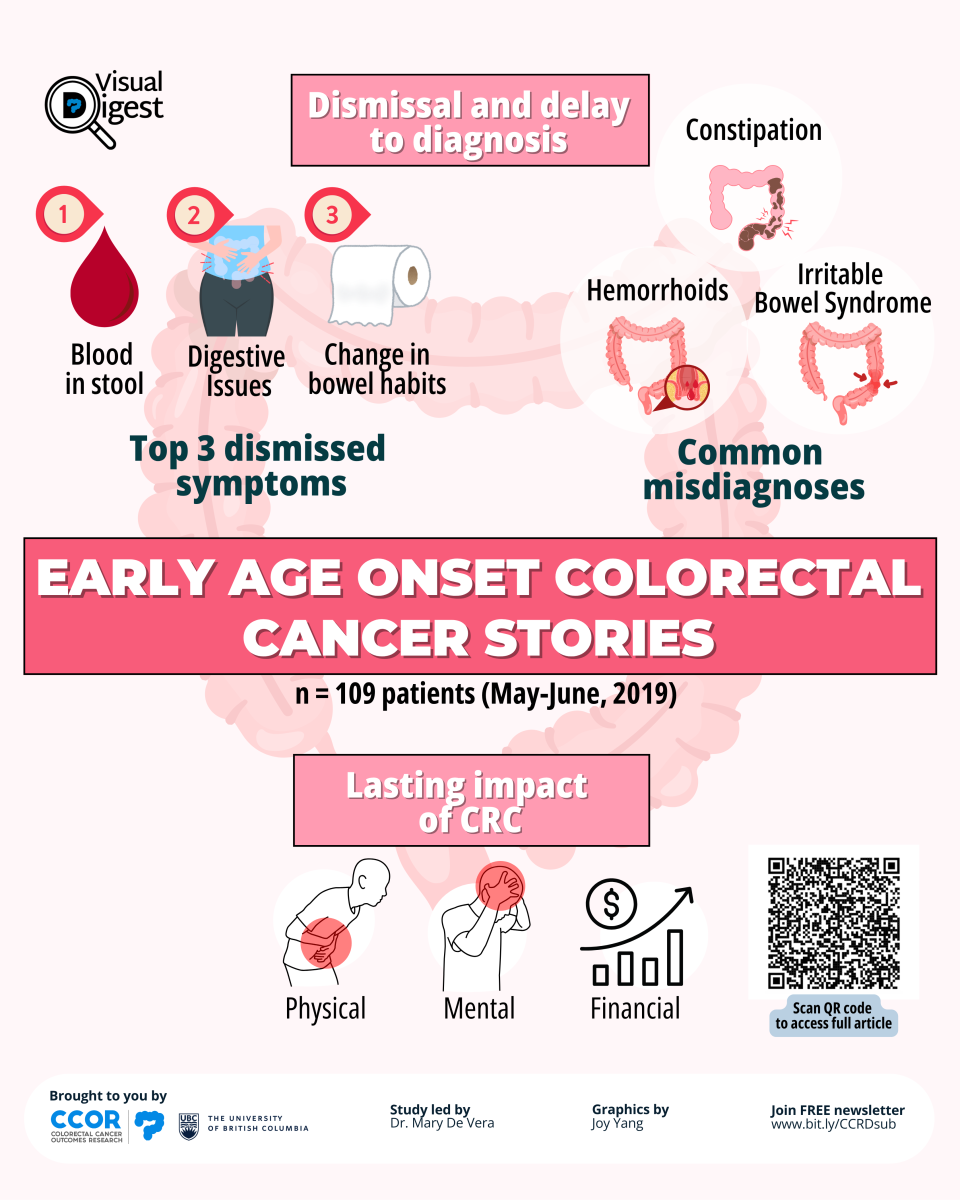
Why this research matters: This study amplified conversations from patient forums about early-age onset colorectal cancer and shared them with the medical and scientific community—at a time when its rising risk was still being questioned, and many patients faced misdiagnoses or delayed diagnoses. Although we conducted and published the study in 2019, six years later in 2025, I still hear new stories of individuals being diagnosed with early-age onset colorectal cancer after having their symptoms dismissed. This tells me that the need to raise awareness and educate about this disease remains as urgent as ever.
🏘️ It takes a village, a town…thank you COLONTOWN for the collaboration
"I remember that we got over 200 or so comments to the post, and reading all the stories of people's early onset diagnosis in one go was very moving. You wondered how something so life-changing could be dismissed so many times by so many doctors.
Unfortunately, as mentioned above, in 2025, we still hear the same stories. Of dismissed concerns and multiple visits. Of having to return with the same symptoms over and over again until the acute event that led to the diagnosis in the ED. The feelings of relief that they have a diagnosis and horror that it is a cancer they were repeatedly told they were too young to be screened for. Thank you for continuing to educate the world on the topic of early onset colorectal cancer!"
-- Dr. Manju George, Scientific Director COLONTOWN/Paltown Development Foundation

🦸♀️ Survivor series
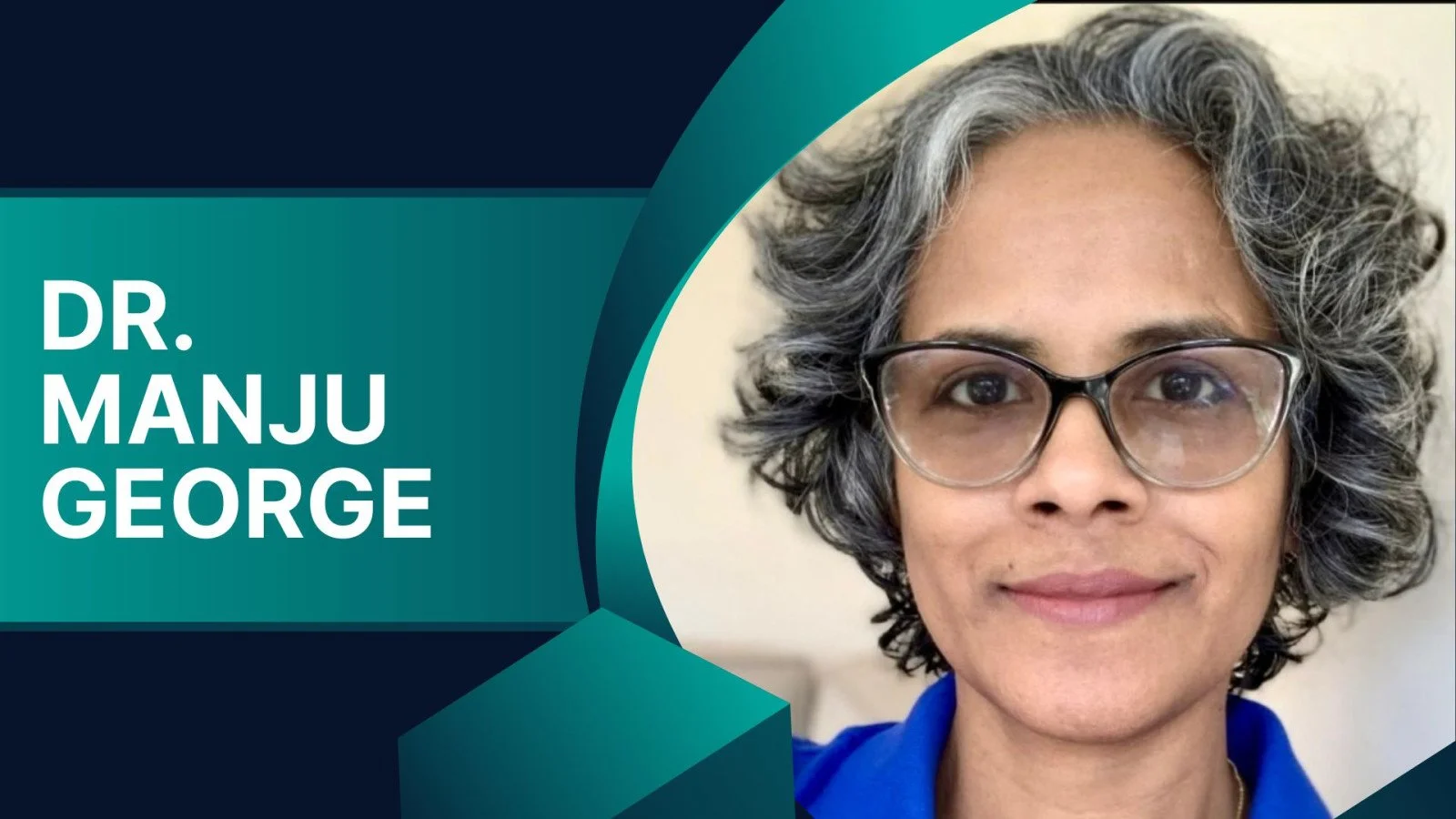
Name: Dr. Manju George
Year diagnosed: 2017
Age at diagnosis: 44
Cancer type: Rectal
Stage at diagnosis: 3B
If you could give one piece of advice to a newly diagnosed person with CRC, what would it be?
It's very normal to feel overwhelmed right now, find an online community like COLONTOWN & this can be life-changing for you on multiple counts.
What's one word or phrase that describes your CRC journey?
Turning point
What got you through the hardest moments?
Perspective! When things are happening and you are in the middle of it all, it's hard to have perspective. But forcing yourself to broaden your view helps put things in context. For example, in my case, chemo was very hard for me, but knowing that it was only for a short time helped me greatly to deal with side effects. Chemo also impacts mental health, and it is very easy to be swept away in everything that happens.
What’s one myth you’d like to bust about CRC?
People assume that to develop colorectal cancer one needs to have risk factors such as a family history of cancer, a "bad" diet or lifestyle. This is not always the case. Remember, if you have a colon and rectum, you can develop colorectal cancer. It's important to pay attention to your body and get screened if you develop the signs and symptoms described in this newsletter. And if you are of screening age, don't put off that colorectal cancer screening test
--
(The CCOR Team wants to give a big thanks to Dr. George for sharing her Survivor story and insights. We hope that it inspired you as much as it did us! If you'd like to connect with her directly, send an email to manju@colontown.org.)

🎁 Helpful resources
Want support from fellow colorectal cancer patients, survivors, and caregivers? In COLONTOWN, there is an online community of more than 100 “secret” support groups. To learn more, go to the COLONTOWN Facebok Group.

We Get It. Come Learn with Us. Connect with Us. COLONTOWN University offers you resources for learning about colorectal cancer - from the very beginning right up to the most cutting edge research - created by the people who know exactly what you are going through.

That's it for today!
👋 Before you go, we'd love to know what you thought of today's newsletter to help us improve the Digest experience for you.
Hit reply to let us know. Was it too hard to follow? Too long, didn't read it all? Leave you with more questions? Let us know! We read every response.
Talk soon,
Mary, Alexander, and Joy — The Colorectal Cancer Research Digest editorial team
